
Storage suggestions for rubber hoses
Hits: 377 Time: 2025.07.15
Due to the natural properties of rubber, the physical properties and performance levels of all rubber products will change. Usually, such changes occur over time depending on the type of rubber used. But it may also accelerate changes due to several factors or a combination of several factors. Other materials used to reinforce rubber hoses may also be negatively affected by improper storage conditions. The following recommendations include a series of preventive measures to minimize the aging of objects during storage.
1. Storage time
A rotation plan system should be adopted to minimize the storage time of rubber hoses. If long-term storage cannot be avoided and the following recommendations cannot be followed, the rubber hose should be thoroughly inspected before use.
2. Physical storage conditions
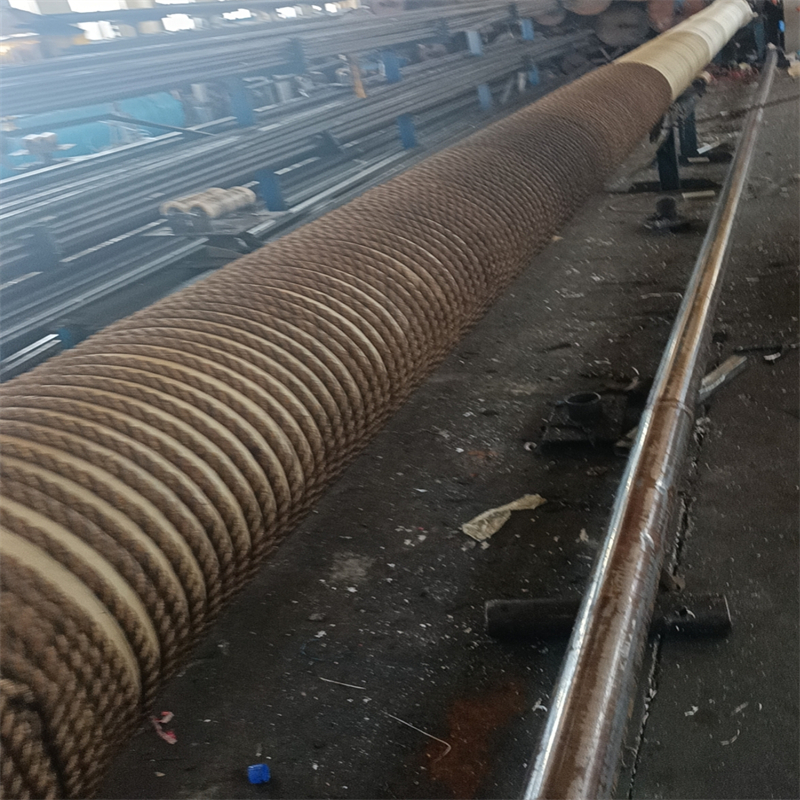
The storage of rubber hoses must avoid mechanical pressure, including excessive stretching, compression, or deformation, and avoid contact with sharp or sharp objects. Rubber hoses should be stored on suitable supports or placed on dry ground first. Rubber hoses packaged in coils must be stored horizontally and should not be stacked. If stacking cannot be avoided, the stacking height should not cause permanent deformation of the rubber hose underneath. As one of the regulations, try to avoid wrapping rubber hoses around pillars or hooks as much as possible. If rubber hoses are shipped in straight pipes, it is recommended to store them horizontally without bending them.
3. Contact with other materials
Rubber hoses must not come into contact with solvents, fuels, oils, fats, unstable chemicals, acids, disinfectants, or general organic liquids. Moreover, any type of rubber will be damaged upon contact with certain materials or mixtures, including manganese, iron, copper, and their alloys. Rubber hoses should be avoided from coming into contact with polyvinyl chloride (PVC) or wood or cloth soaked in rosin oil.
4. Temperature and humidity
Suggested storage temperature: 10 ° C to 25 ° C. Attention: Do not store rubber hoses in temperatures above 40 degrees Celsius or below 0 degrees Celsius. Special caution should be exercised when moving rubber hoses below minus 15 degrees Celsius. Rubber hoses should not be stored near heat sources, and the relative humidity should not exceed 65%.
5. Exposure to heat sources
The temperature limit mentioned in the fourth point must be followed. If it cannot be achieved, insulation devices should be used to protect rubber hoses from heat sources.
6. Exposure to light
The storage room used for storing rubber hoses should be kept dark, especially avoiding direct sunlight or strong artificial light shining on the rubber hoses. If there are any openings in the storage room that are covered with windows or glass, they should be covered.
7. Exposure to oxygen and ozone
Rubber tubing should be properly packaged or stored in a sealed container to avoid exposure to air. Equipment that is prone to releasing ozone should not be placed in the storage room, as ozone has a particularly strong impact on all rubber products.
8. Exposure to electric or magnetic fields

The storage room should avoid any situation that may generate electric or magnetic fields, including exposure to high-voltage cables or high-frequency generators.

Leave A Message To Us

We are committed to providing high-quality rubber and plastic hose products and services.

With a professional team, advanced technology, and exceptional customer service,

we create lasting value and help our customers achieve remarkable growth.


Hebei Biaohui Rubber& Plastic Products Co., Ltd. is a manufacturer and supplier of rubber hoses, plastic hoses, and rubber products. The main products include TPU layflat hoses, industrial hoses, material conveying hoses, silicone hoses, PTFE hoses, stainless steel metal hoses, and rubber plastic products.

   Our company's products are characterized by high pressure resistance, high temperature resistance,wear resistance, strong flexibility, good pulse performance, and easy maintenance. They are widely used in fields such as coal, petrochemicals, metallurgy, mining, construction, water conservancy engineering, electricity, agriculture, machinery, electronics, textiles, etc.

All your issues will be resolved by the team, updated promptly, responded to quickly, and delivered quickly。