
CONTACT US
-
 Telehone: +86 15075803959WhatsApp: +86 15075803959WeChat: +8615075803959
-

-
 Zhanggehou Rubber and Plastic Base, Jing County, Hebei Province
 -


The replacement method of the hose pump hose should be combined with the structural characteristics of the equipment and operated according to the standardized steps. The following are the general replacement process and precautions:
1、 Preparation before replacement
Shutdown and Power Off # Hose Pump#
Turn off the power switch of the pump to ensure that the equipment completely stops running and avoid safety accidents during operation.
Drain the medium
If there is residual medium in the pump, the corresponding discharge valve should be opened to drain the medium and prevent medium leakage during replacement.
Tool preparation
Prepare the necessary tools such as wrenches, screwdrivers, etc., as well as compatible new hoses (confirm that the model and specifications are consistent with the original hoses).
2、 Specific steps for replacing hoses
1. Disassemble the pump head or casing
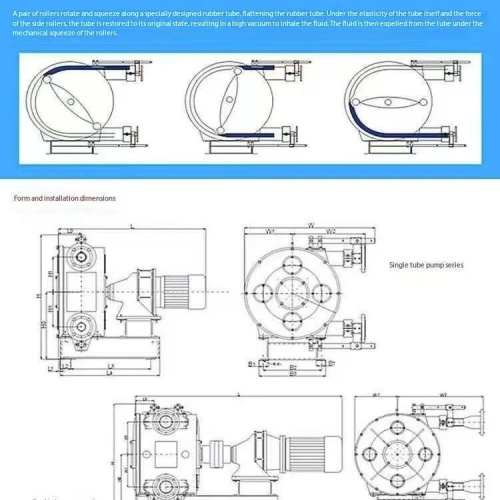
According to the structure of the pump, use tools to loosen the fixing bolts of the pump head or housing, slowly open the pump body, and expose the internal hoses and roller (or rotor) components.
Example: If the hose pump is designed with a tight coupling, the transparent window and surrounding fixed components need to be removed first, and then the installation position of the hose should be exposed.
2. Release the roller or squeeze the component
Find the device that fixes the roller (or squeezing block), and separate the roller from the hose by adjusting the bolt or disassembling the component, releasing the squeezing pressure on the hose.
Attention: Record the position or angle of the roller for easy restoration during installation to avoid affecting the accuracy of the pump operation.
3. Remove the old hose
Check the connection method between the old hose and the pump inlet and outlet (such as clamps, flanges, etc.), loosen the connecting components, and remove the old hose from the pump body.
Clean the residual medium or debris inside the pump body to ensure that the installation surface is clean and flat.
4. Install a new hose
Place the new hose correctly into the hose slot of the pump body, ensuring that both ends of the hose are aligned with the inlet and outlet interfaces, and securely fix it with clamps or flanges to avoid leakage.
Adjust the position of the hose between the rollers (or rotors) to ensure that the hose is evenly stressed without twisting or folding.
5. Reset the roller or squeezing component
Reinstall the roller (or rotor) assembly and adjust the bolts to maintain appropriate compression force between the roller and the hose (too loose can cause medium leakage or insufficient flow, while too tight can shorten the hose life).
Tip: Some pumps are equipped with clearance adjustment mechanisms, which can adjust the roller spacing according to the wall thickness of the hose. Please refer to the parameters in the equipment manual for operation.
6. Fix the pump head or casing
After confirming the correct installation of the hose, reset the pump head or casing, tighten the fixing bolts, and apply even force to prevent deformation of the pump body.
3、 Inspection and debugging after replacement
Sealing inspection
Before starting the pump, the pump shaft can be manually rotated to observe if there is any medium leakage at the inlet and outlet connections. If there is, the connecting components need to be re tightened.
test run
Connect the power supply and conduct a short-term trial run to observe whether the pump's operating noise and vibration are normal, and whether the flow rate is stable.
Lubrication and Debugging
If the pump has an external lubrication system (such as a lubrication level observation window), it is necessary to check the amount of lubricating oil and replenish it to ensure good external lubrication of the hose and extend its service life.
4、 Precautions
Hose selection: The material of the replaced hose should be compatible with the conveying medium (such as acid and alkali resistance, wear resistance, etc.), otherwise it may cause rapid aging or corrosion of the hose.
Operating force: Avoid excessive force during disassembly and installation to prevent damage to pump components or deformation of hoses.
Regular maintenance: As a vulnerable part, it is recommended to establish a replacement cycle based on the frequency of use and the characteristics of the medium (such as checking every 3-6 months) to avoid production disruptions caused by hose rupture.
5、 Special tips for different types of hose pumps
Small portable hose pump: It may adopt a quick release structure, and the hose can be removed by simply releasing the buckle during replacement, making the operation easier.
Industrial heavy-duty hose pump: Some models require special tools to adjust the roller pressure, or involve the linkage debugging of the motor and pump head. It is recommended to be operated by professionals.
Hot tags: Peristaltic pump hose Made in China and suppliers
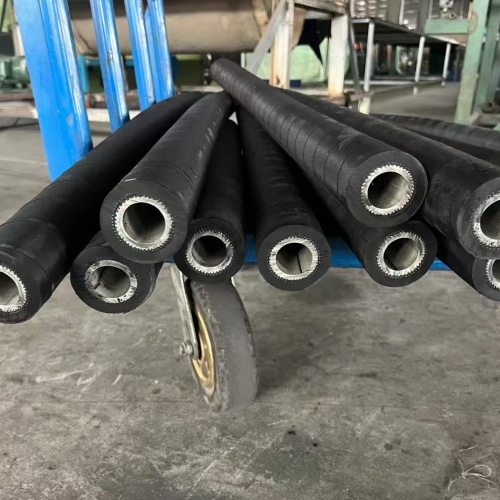
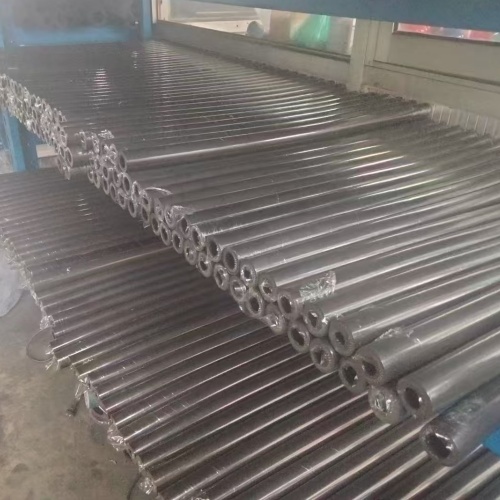
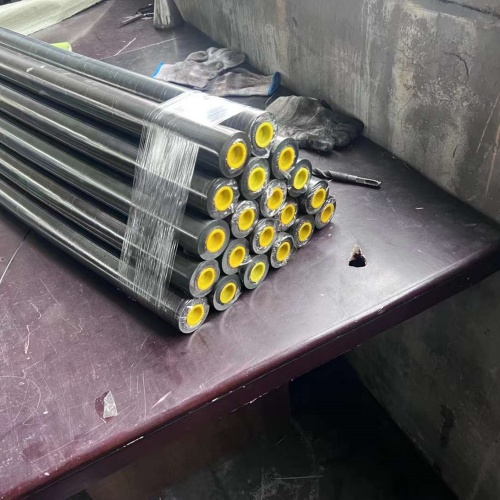
We are committed to providing high-quality rubber and plastic hose products and services.
With a professional team, advanced technology, and exceptional customer service,
we create lasting value and help our customers achieve remarkable growth.
Hebei Biaohui Rubber& Plastic Products Co., Ltd. is a manufacturer and supplier of rubber hoses, plastic hoses, and rubber products. The main products include TPU layflat hoses, industrial hoses, material conveying hoses, silicone hoses, PTFE hoses, stainless steel metal hoses, and rubber plastic products.
Our company's products are characterized by high pressure resistance, high temperature resistance,wear resistance, strong flexibility, good pulse performance, and easy maintenance. They are widely used in fields such as coal, petrochemicals, metallurgy, mining, construction, water conservancy engineering, electricity, agriculture, machinery, electronics, textiles, etc.
All your issues will be resolved by the team, updated promptly, responded to quickly, and delivered quickly。